
Co-Founder
Ankit Patel
Spent years in IT projects, but his evenings belonged to fabric swatches and design sketches. Sanskritch is the answer to a question he couldn't stop asking.




Our Story
Where it began
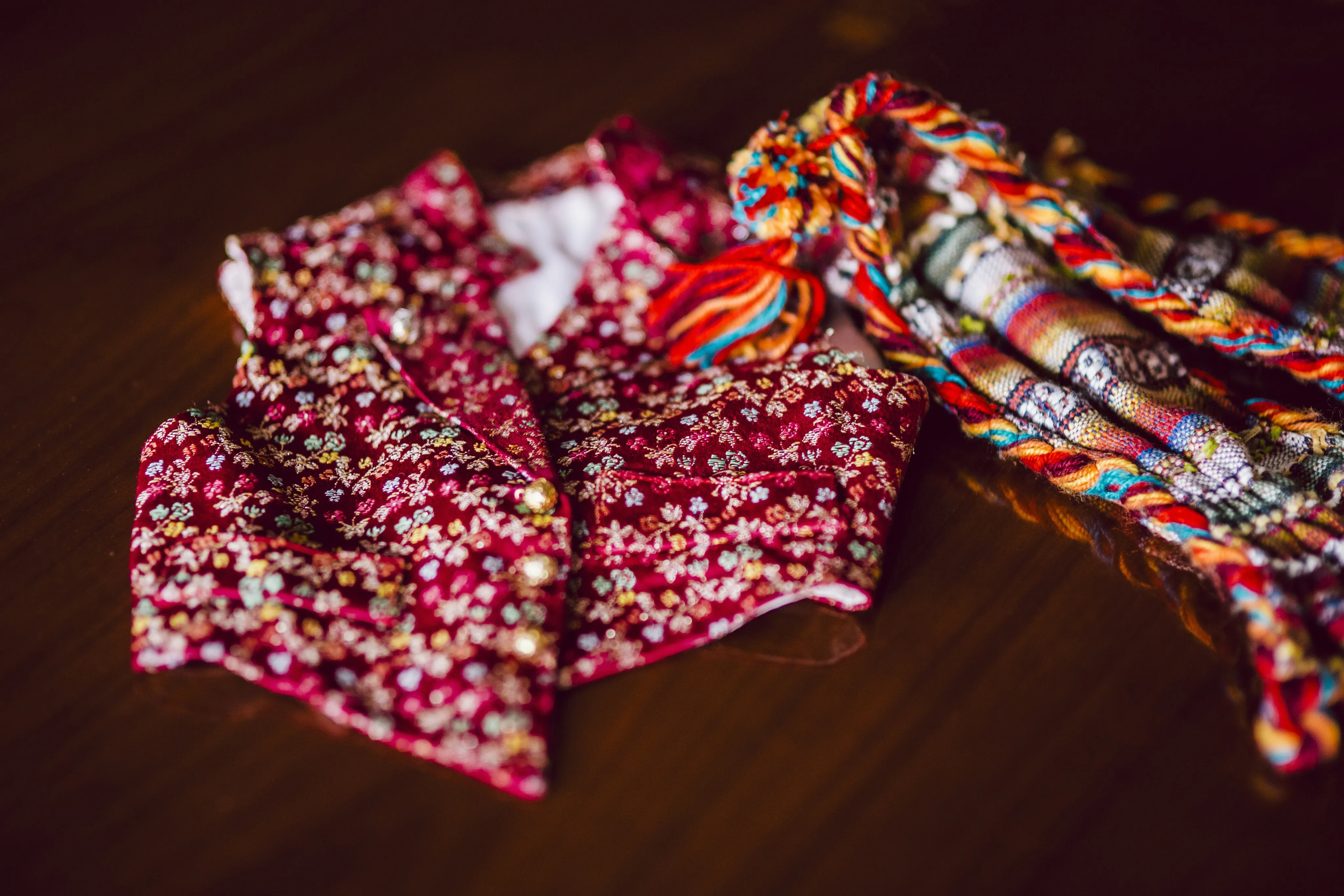
Maybe it sits in a grandmother's room, maybe it travelled across oceans in a suitcase that smelled faintly of naphthalene and rose water. Open it, and you will find a red bandhani dupatta from a wedding thirty years ago, a sherwani with gold buttons worn twice and preserved forever, a saree whose zari has dulled but whose story hasn't.
We Indians grew up around trunks like these. Sanskritch exists because we didn't want that trunk to be the only place where such things lived.
Co-Founder
Spent years in IT projects, but his evenings belonged to fabric swatches and design sketches. Sanskritch is the answer to a question he couldn't stop asking.
Co-Founder
College friend, longtime collaborator, and the co-conspirator behind that one conversation that turned into a company.
Ankit Patel spent his days dealing with IT projects and his evenings thinking about something IT had less to do with — the way his mother would spend weeks choosing fabric for a festival, sketching blouse designs on the back of an envelope, arguing lovingly with the tailor about how much flare a lehenga really needed.
He kept wondering why something so personal, so full of feeling, was still stuck in dusty showroom racks and rushed tailoring appointments. He carried that question to Gaurav Patel, a friend from his college days, over what was supposed to be an ordinary conversation about work. It didn't stay ordinary for long.
By the end of it, they had a shared itch to build something — a place where a person anywhere in the world could design their own lehenga, their own sherwani, their own drape, the way they'd always imagined it, and actually see it before it was stitched.
That itch became Sanskritch.
— A conversation that didn't stay ordinary
Think of Sanskritch as a workbench, not a shop window. It is closer to sitting with a design-minded friend than to shopping online. You are not picking from what's already made — you are deciding what gets made.
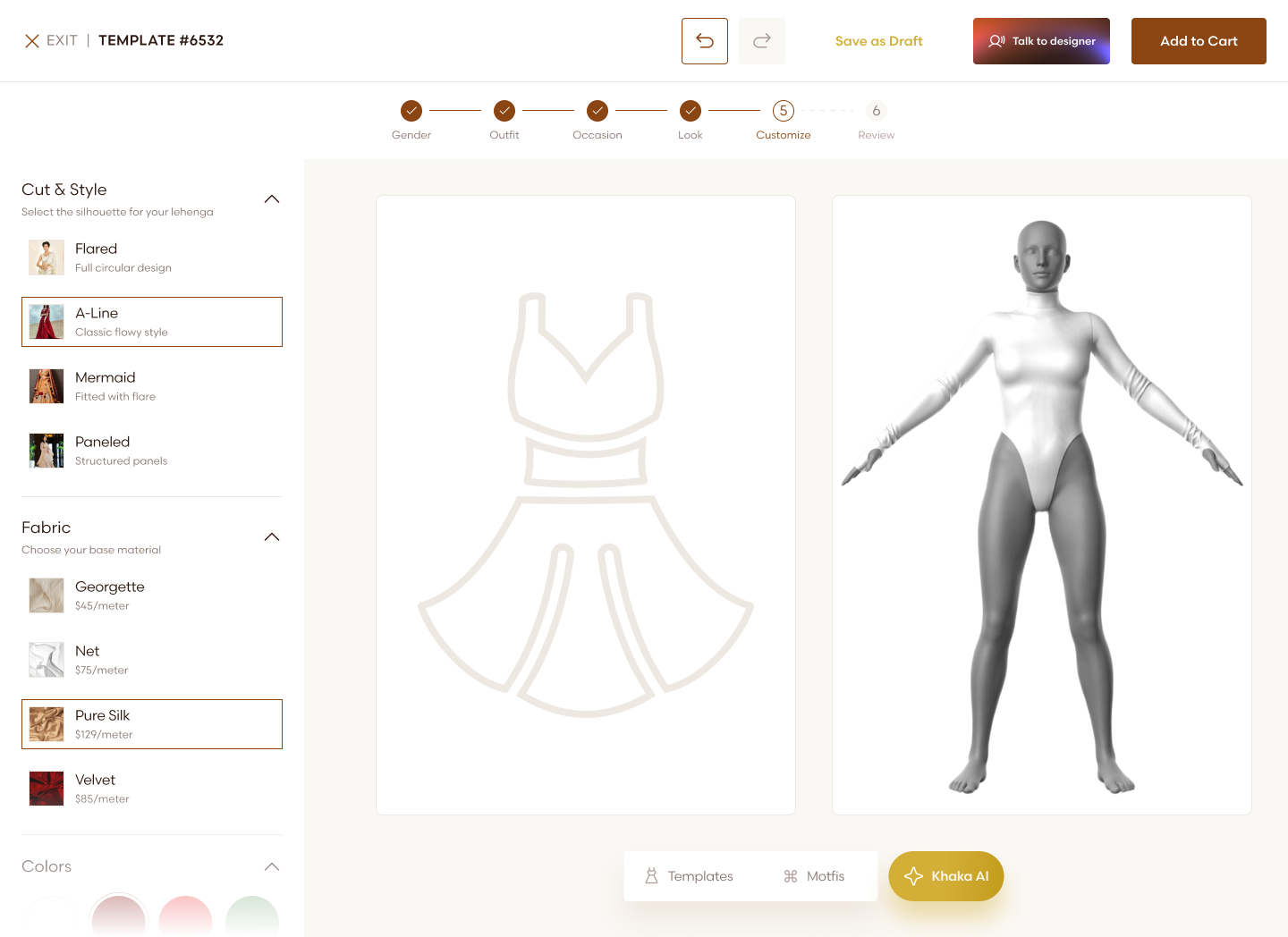
Choose colour, cut, border, embroidery, sleeve, drape — the way you'd describe an outfit to a tailor you trusted completely.
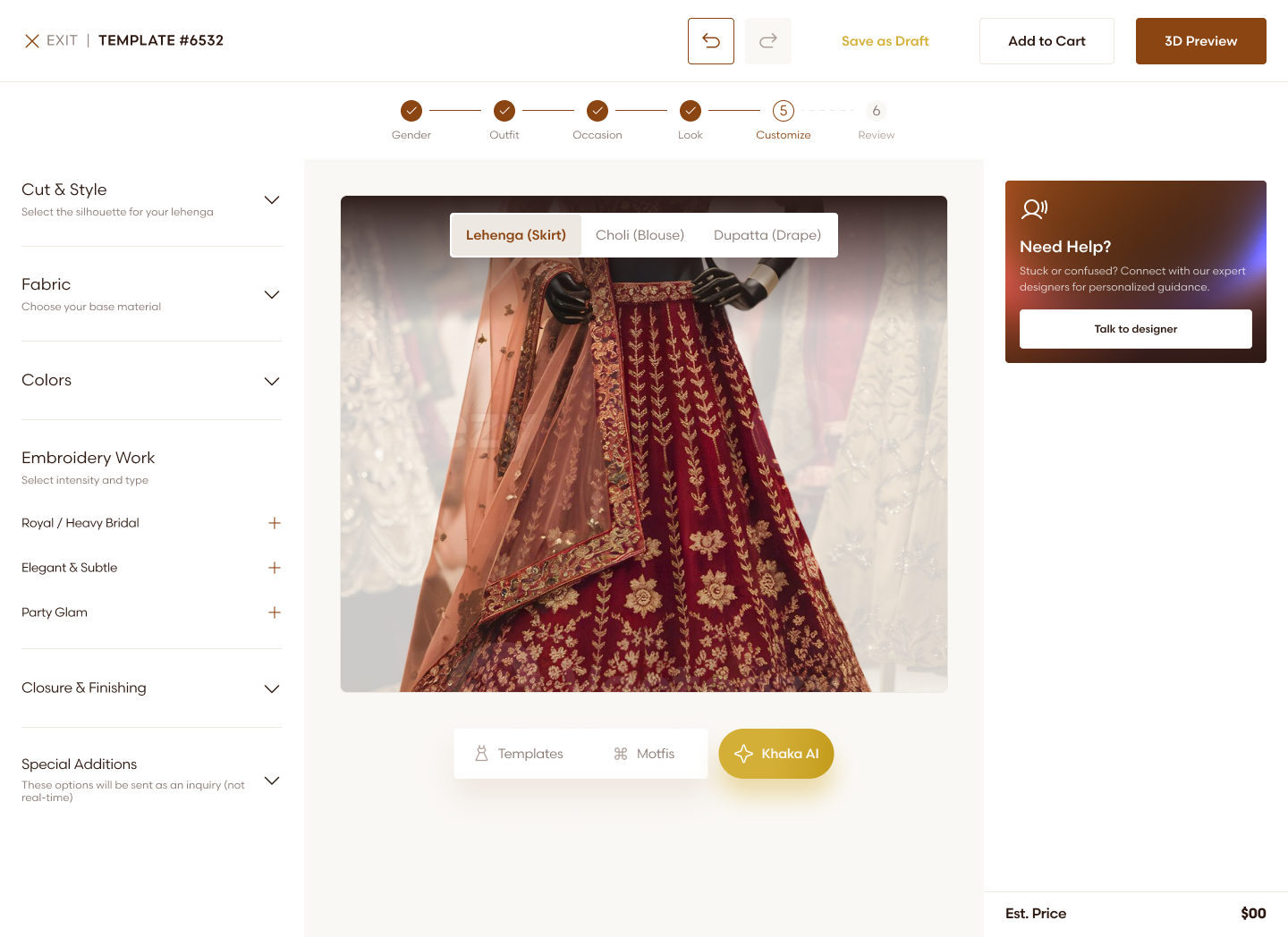
A 3D form of that same outfit turns and settles and falls the way real fabric does. Never guess what "mehndi green" or "a deeper neckline" will actually look like.
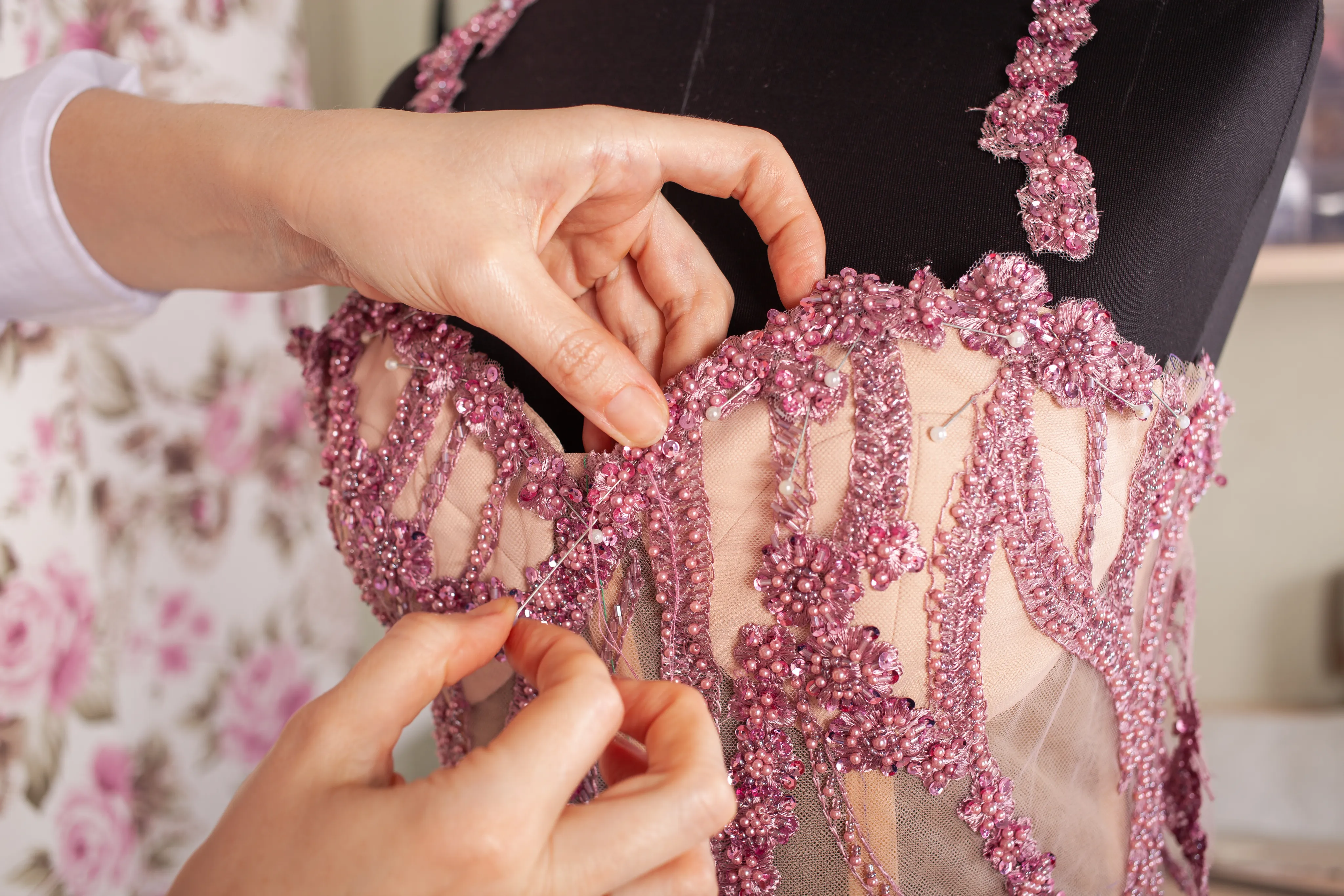
Once a design is finalised, it stops being pixels and becomes fabric. Our artisans take your file and turn it into cloth — thread by thread. Nothing about your outfit is mass-produced. It is made once, for you, by hands that have been doing this work far longer than any software has existed.
Textile Lanes
Where the old textile lanes of the city still hum with looms and dyeing vats. Our fabric sourcing begins here.
Embroidery Workshops
Where karigars can tell you the difference between a French knot and a Kashmiri one without thinking twice.
Across India
The small workshops where most of India's finest handwork still quietly happens, away from headlines and factories.
For anyone who still thinks of India not as a place on a map but as a colour, a smell of marigold, a sound of anklets.
Toronto
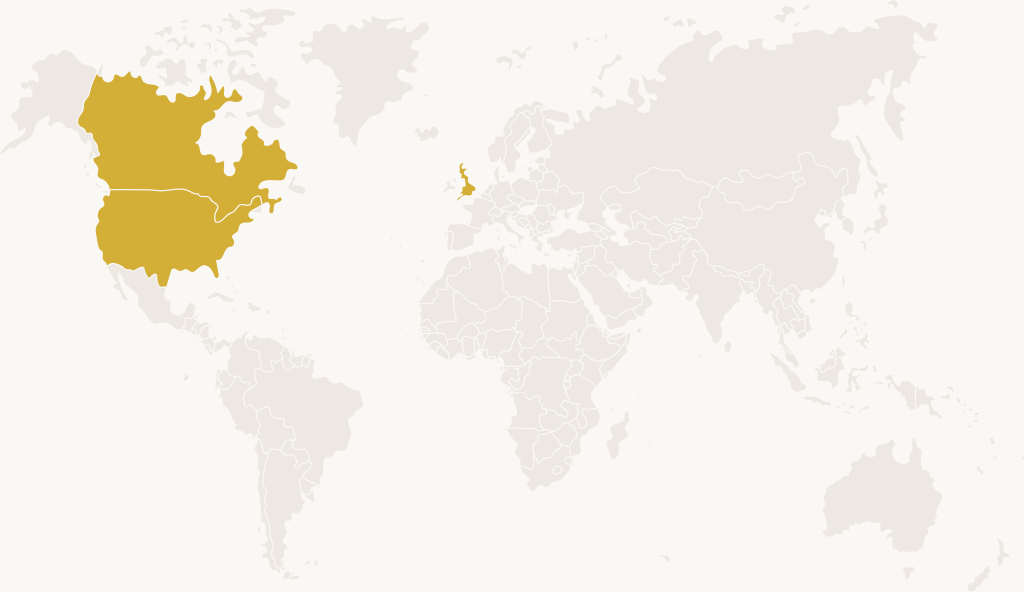
The son who needs a sherwani for his sister's wedding
No time to fly down for three tailoring visits — but no willingness to compromise on how it looks, either.
California
The techie who tears up watching wedding reels
Sanskritch is a way of holding onto home without holding your breath over customs delays and guesswork sizing.
California
The daughter planning her own mehndi function
Wanting a lehenga that looks like it belongs to her — not to whatever was in stock at the last-minute boutique visit.
And honestly, it's for anyone in India too — who is tired of choosing from what's already hanging on the rack when they know exactly what they want.
Sanskritch sits between three words on purpose.
Culture
Our word for culture — everything inherited and lived and passed down.
The first mark
The first mark any idea makes before it becomes real.
The final act
The quiet, patient act that turns that mark into something you can actually wear.
That's what we're doing here. Taking something old, letting it be sketched again, and stitched again, by you, for you.